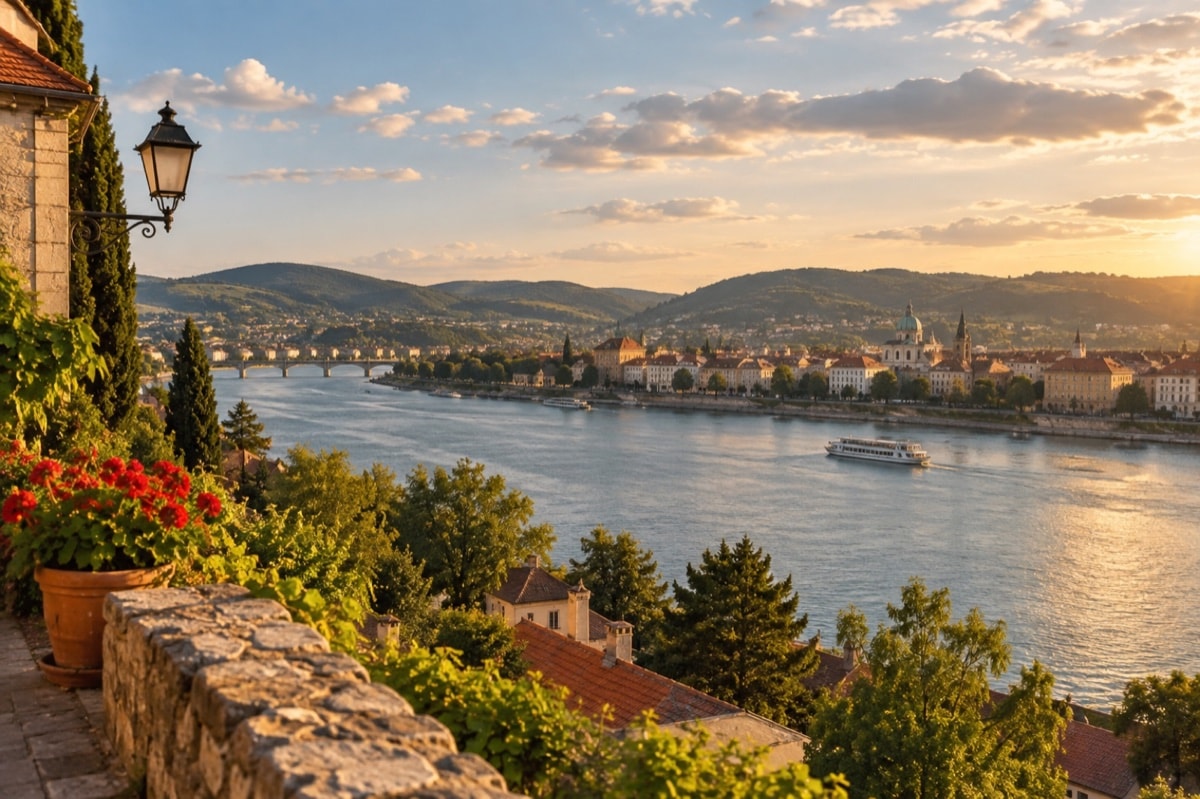
Practical information for visiting Hungary
Durable practical guidance in English on the forint, Hungarian language, seasons, transport context and bath etiquette. The purpose is to understand the place through enduring geography, architecture and culture, concentrating on stable context and connections that support thoughtful orientation.
Currency and everyday context
Hungary uses the forint. Exchange methods and acceptance practices can change, so check current information through official sources and review charges before choosing how to pay.
Practical information for visiting Hungary — Currency and everyday context. This is more useful than a checklist because it gives the place a readable structure. Materials, scale and the relationship with the surrounding landscape reveal how a monument or district belongs to a wider Hungarian story.
Language and names
Hungarian is structurally different from Italian and English. A few greetings help, and preserving accents in names such as Széchenyi, Hévíz and Tiszafüred makes maps and signs easier to match.
Practical information for visiting Hungary — Language and names. A thoughtful visit works through comparison: hill and plain, water and street, ceremonial architecture and ordinary neighbourhoods. Those contrasts make local identity tangible without turning the journey into a ranking of attractions.
When to go
Each season changes the country: spring and autumn soften city walks, summer emphasises lakes and outdoor life, and winter draws attention to interiors and thermal culture. Weather should be checked close to travel.
Practical information for visiting Hungary — When to go. The aim is not to collect stops but to connect them. A slow walk, a view back across the river or a pause in a public square often explains the geography more clearly than an isolated landmark description.
Getting around
Budapest and regional Hungary require different planning habits. Use current public-transport and road authorities for routes, border information and service changes rather than relying on old lists.
Practical information for visiting Hungary — Getting around. Practical arrangements can change, so this page concentrates on enduring history, architecture and cultural context. On-site notices and responsible authorities remain the appropriate source for conditions that vary.
Bath etiquette
Customs vary by bath. Follow signs, shower before entering, use suitable footwear, respect quiet spaces and allow time to rest between pools.
Practical information for visiting Hungary — Bath etiquette. Hungarian names carry essential accents. Keeping forms such as Széchenyi, Gellért, Hévíz and Siófok intact is both accurate and respectful, and it prevents distinct places from dissolving into approximate spellings.
Continue exploring
Practical information for visiting Hungary. Use this page as a starting point for connections rather than a race through names. The related guides link landscape, history and urban character into a coherent route. This is an editorial guide: it provides context and orientation, while details that may change belong with the responsible local sources.